
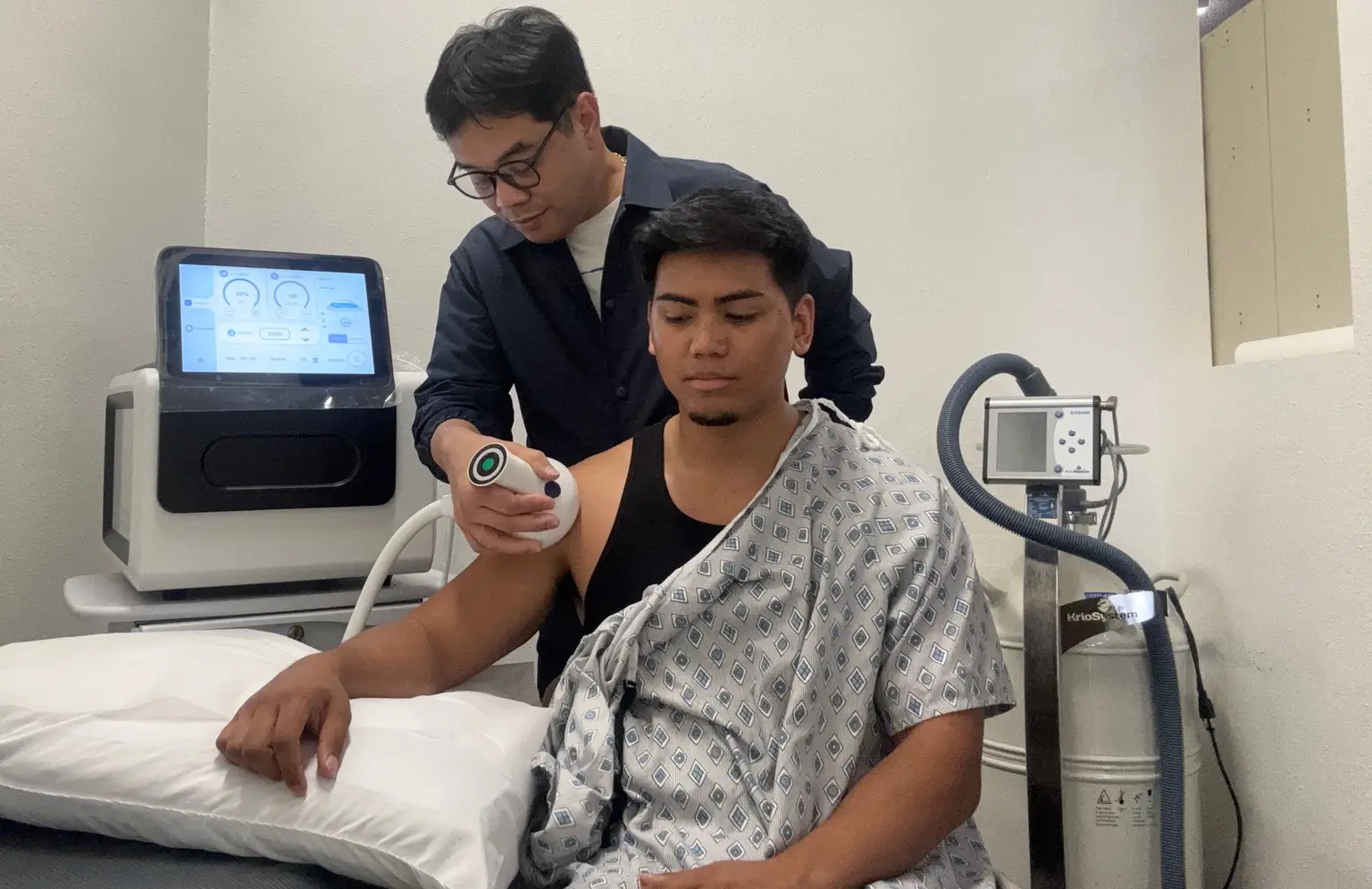
A surgical recommendation can feel like the only remaining answer when heel pain, tendon pain, or a stubborn injury keeps limiting your work, exercise, and daily routine. Focused shockwave therapy can be a fast and effective treatment option before you consider surgery, especially when pain has not improved with rest, medication, or a generic therapy plan.
This non-surgical treatment is not a shortcut or a replacement for a thorough evaluation. It is one tool that may help the body restart its healing response while a therapist addresses the movement, strength, and load-management issues that often keep pain from settling down.
What focused shockwave therapy does
Focused shockwave therapy uses concentrated acoustic energy delivered to a precise area of damaged or irritated tissue. The treatment is commonly considered for chronic tendon conditions and certain types of heel pain, including plantar fasciitis. It is designed to stimulate circulation and cellular activity in tissue that has been slow to heal.
For many people, the appeal is straightforward: treatment is performed in the clinic, requires no incision, and typically does not involve a long period away from normal life. Sessions are usually brief. You may feel tapping, pressure, or discomfort during treatment, but your therapist can adjust the intensity based on your tolerance and the area being treated.
The goal is not simply to mask pain for a few hours. The goal is to create a better environment for healing while improving how the area handles everyday demands.
When shockwave therapy may be worth considering
Persistent pain does not always mean surgery is necessary. Tendons and connective tissues can be slow to recover, particularly when they have been irritated for months or when work, sports, footwear, gait changes, or weakness continue to place stress on the same area.
Focused shockwave therapy may be considered when a condition has become chronic and more conservative steps have not provided enough relief. Examples can include plantar heel pain, Achilles tendinopathy, tennis elbow, and some other tendon-related problems. The right fit depends on your diagnosis, medical history, symptom duration, and the condition of the surrounding joints and muscles.
It may not be appropriate for everyone. Certain circulation concerns, active infections, pregnancy, blood-clotting issues, or specific medications can affect whether treatment is recommended. A careful clinical screening matters. Pain in the same location can also have different causes, which is why a precise evaluation should come before any technology-based treatment.
Fast treatment does not mean instant recovery
Shockwave sessions themselves are often quick, but tissue recovery still takes time. Some patients notice a change after the first few sessions; others improve gradually over several weeks. It is also possible to feel temporary soreness after treatment, much like the discomfort that can follow a challenging therapeutic exercise session.
That is why realistic expectations are so important. If someone promises that one treatment will fix every painful condition, caution is appropriate. Lasting progress usually comes from combining symptom relief with a plan that improves mobility, strength, balance, and the way your body moves.
Why therapy should be part of the plan
A painful tendon is rarely the whole story. Limited ankle motion can contribute to plantar heel pain. Hip weakness or poor movement control may keep stressing the knee or Achilles tendon. Returning too quickly to long walks, court sports, or physically demanding work can undo early progress.
At Motion Plus Aquatic & Therapy Center, care is built around the person, not a one-size-fits-all protocol. Focused shockwave therapy, when appropriate, can be paired with one-on-one physical therapy and a clear home program. For people whose joints hurt with land-based exercise, warm-water aquatic therapy can provide a lower-impact way to rebuild movement and strength with less joint stress.
Your plan may include hands-on treatment, targeted exercises, gait or balance work, activity modifications, and guidance on how to return to the activities that matter to you. This broader approach gives the treated area a better chance to stay better once pain begins to decrease.
Questions to ask before choosing surgery
Surgery can be the right option for some conditions, particularly when there is a significant tear, structural instability, nerve involvement, or pain that remains disabling despite well-guided conservative care. But it is reasonable to ask whether you have fully explored non-surgical options first.
Ask what is driving the pain, whether your diagnosis has been clearly confirmed, and what recovery might look like with and without surgery. You can also ask whether a trial of focused shockwave therapy and individualized rehabilitation is appropriate for your condition. A good provider will explain the expected benefits, limitations, costs, and alternatives in plain language.
You deserve more than being told to live with pain or rush into a procedure without understanding your choices. A thoughtful evaluation can help you decide whether focused shockwave therapy is a sensible next step and give you a plan that supports steadier, more confident movement.


Recent Comments