
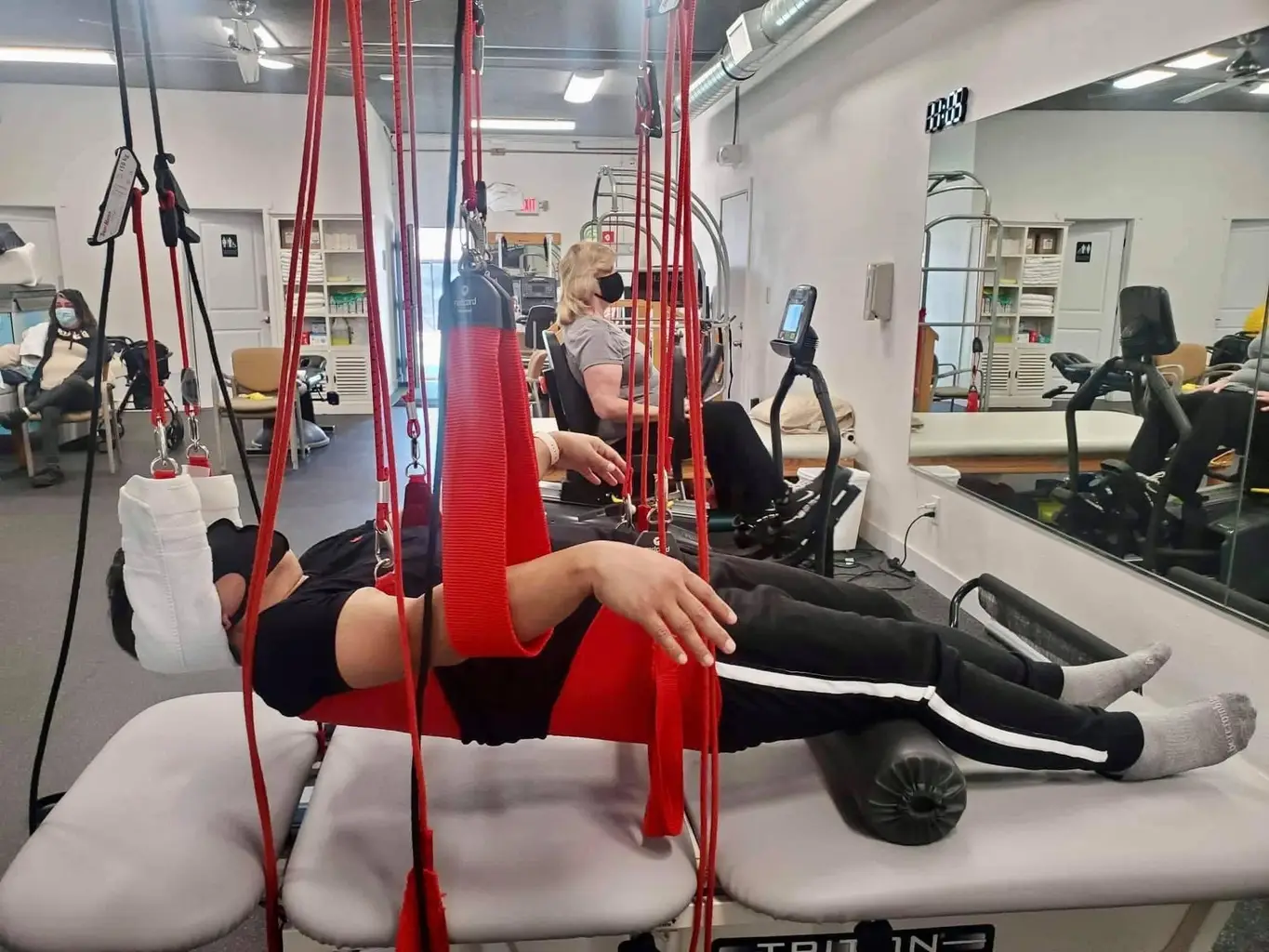
A trip to the grocery store without needing to sit down. Standing long enough to cook dinner. Walking with less fear of the next flare-up. For many people with spinal stenosis, these are the stenosis recovery outcomes that matter most. Recovery is not always about making an MRI look different. It is about reducing the way symptoms control your day and helping you move with greater comfort, strength, and confidence.
Spinal stenosis occurs when spaces in the spine become narrower, which can place pressure on nerves. It most often affects the low back or neck. Symptoms can include back or neck pain, leg pain, tingling, numbness, weakness, heaviness in the legs, balance changes, or discomfort that increases with standing and walking. The experience is highly individual, so a thoughtful recovery plan should be individual too.
What Stenosis Recovery Outcomes Can Realistically Look Like
A good outcome does not mean every person becomes completely pain-free, nor does it require pushing through symptoms until they worsen. Conservative rehabilitation often aims to improve function while helping you understand how to manage symptoms safely.
For one person, progress may mean walking farther before leg pain begins. For another, it may mean getting out of a chair more easily, returning to gardening with fewer breaks, improving balance on uneven ground, or sleeping more comfortably. Some people notice pain decreases first. Others feel stronger and steadier before pain changes significantly.
This distinction matters because stenosis symptoms can fluctuate. A difficult day does not automatically mean treatment has failed, just as one good day does not mean the condition is gone. The more useful question is whether your overall ability to participate in daily life is improving over time.
Pain relief is only one measure of progress
Pain is real, and it deserves attention. But pain scores alone do not tell the whole story. A person may still have some discomfort yet be able to walk their dog, travel, work, or enjoy time with family more reliably. That is meaningful progress.
At the same time, continuing or worsening weakness, increasing numbness, repeated falls, or a major decline in walking tolerance deserves prompt medical attention. New loss of bowel or bladder control, numbness in the groin or saddle area, or sudden severe weakness requires urgent evaluation.
What Affects Recovery From Spinal Stenosis
Recovery timelines vary because stenosis is not one identical condition. The location and severity of narrowing matter, but imaging is only part of the picture. Some people have noticeable narrowing on a scan with few symptoms, while others have more limiting symptoms with less dramatic imaging findings.
Your starting level of strength, balance, endurance, activity habits, other health conditions, prior injuries, and the length of time symptoms have been present can all affect progress. So can the type of stenosis. Lumbar stenosis often affects standing and walking, while cervical stenosis may involve the neck, arms, hands, balance, or coordination.
The treatment approach also makes a difference. Generic exercises handed over without guidance may not address the movements that trigger your symptoms or the specific activities you need to return to. Personalized care allows the therapist to observe how you walk, stand, transfer, balance, and respond to exercise, then adjust the plan accordingly.
Consistency matters more than intensity
When pain has limited activity for months or years, it is understandable to want a fast fix. But doing too much too soon can trigger a flare and make movement feel unsafe again. On the other hand, avoiding movement entirely can contribute to stiffness, weakness, and lower confidence.
The goal is a manageable middle ground: regular movement at the right dose. A therapist can help identify which activities are helpful, which positions tend to aggravate symptoms, and how to gradually build tolerance without treating every increase in discomfort as a reason to stop.
How Physical Therapy Supports Better Outcomes
Physical therapy for stenosis should begin with a clear conversation and a thorough assessment, not a one-size-fits-all protocol. Your therapist should understand where symptoms occur, what brings them on, what eases them, and which daily activities have become difficult.
Treatment may include guided mobility work, strengthening for the legs, hips, and trunk, balance training, gait training, posture and body-mechanics education, and a realistic home exercise program. The exact combination depends on your presentation. Someone whose symptoms worsen with walking may need a different strategy than someone dealing primarily with neck stiffness, arm symptoms, or balance concerns.
Hands-on guidance can also help people relearn movement after months of guarding against pain. When every step has felt uncertain, building trust in your body is part of rehabilitation. Small, measurable gains often create the confidence needed to do more outside the clinic.
Why warm-water therapy can be especially helpful
For people who find land-based exercise painful or intimidating, aquatic therapy can provide a gentler place to start. Warm water can help relax tight muscles, while buoyancy reduces stress on painful joints and the spine. This can make it easier to practice walking, strengthening, balance work, and controlled movement with less impact.
Water is not a cure for stenosis, and it is not the right choice for every medical situation. But for many adults with chronic pain, reduced mobility, arthritis, or fear of falling, it can make consistent exercise more achievable. Progress made in the pool can then support a gradual transition to stronger, more confident movement on land.
At Motion Plus Aquatic & Therapy Center, care can combine private warm-water rehabilitation with individualized land-based therapy, so the plan can evolve as your tolerance and goals improve. That level of close monitoring is particularly valuable when symptoms are variable from day to day.
Setting Goals That Make Progress Visible
Vague goals such as “get better” are hard to measure. Functional goals make progress clearer and help your therapist select the right starting point. You may want to walk through a store without leaning heavily on a cart, climb the steps at home with more control, stand through a social event, or return to a favorite exercise class with modifications.
A therapist can track practical markers such as walking distance, time spent standing, sit-to-stand ability, leg strength, balance, gait quality, and recovery after activity. These measures offer useful evidence when symptoms feel inconsistent. They also help determine when an exercise should be progressed, modified, or temporarily scaled back.
Recovery may also include learning pacing strategies. Rather than saving all activity for one demanding day and needing several days to recover, you may learn to break tasks into smaller intervals, change positions sooner, use appropriate support when needed, and plan movement throughout the day.
When Conservative Care May Not Be Enough
Many people can improve their comfort and function with non-surgical treatment, especially when therapy is targeted and consistent. However, therapy does not replace medical evaluation when symptoms are advancing or neurological signs are concerning.
Your physician may recommend further testing, medication changes, injections, or a surgical consultation depending on your symptoms and response to conservative care. Surgery may be considered when nerve compression causes significant or progressive weakness, severe limits on walking or quality of life, or symptoms that have not improved with appropriate non-surgical treatment.
Even when surgery becomes part of the plan, rehabilitation remains valuable. Building strength, improving mobility, and practicing safer movement before a procedure may support preparation. Therapy after surgery can help restore function in a gradual, structured way.
The most encouraging path is not necessarily the fastest one. It is the plan that respects your symptoms, gives you clear next steps, and helps you reclaim the activities that make life feel like yours again.


Recent Comments